



.jpg)


.png)




.jpg)


.jpg)

.webp)


.webp)


Inside Introw's AI playbook: What Actually Changes When Partnerships Go Agentic



Introw's Simon Van Den Hende explains where AI should automate partnership work, where it shouldn't, and what changes for teams next.
Every partnerships leader has heard some version of "AI is going to change everything about how we work." Fewer have gotten a straight answer to the questions that actually matter: which parts of the job should AI take over, which parts shouldn't it touch, and what does a team need to do differently starting now?
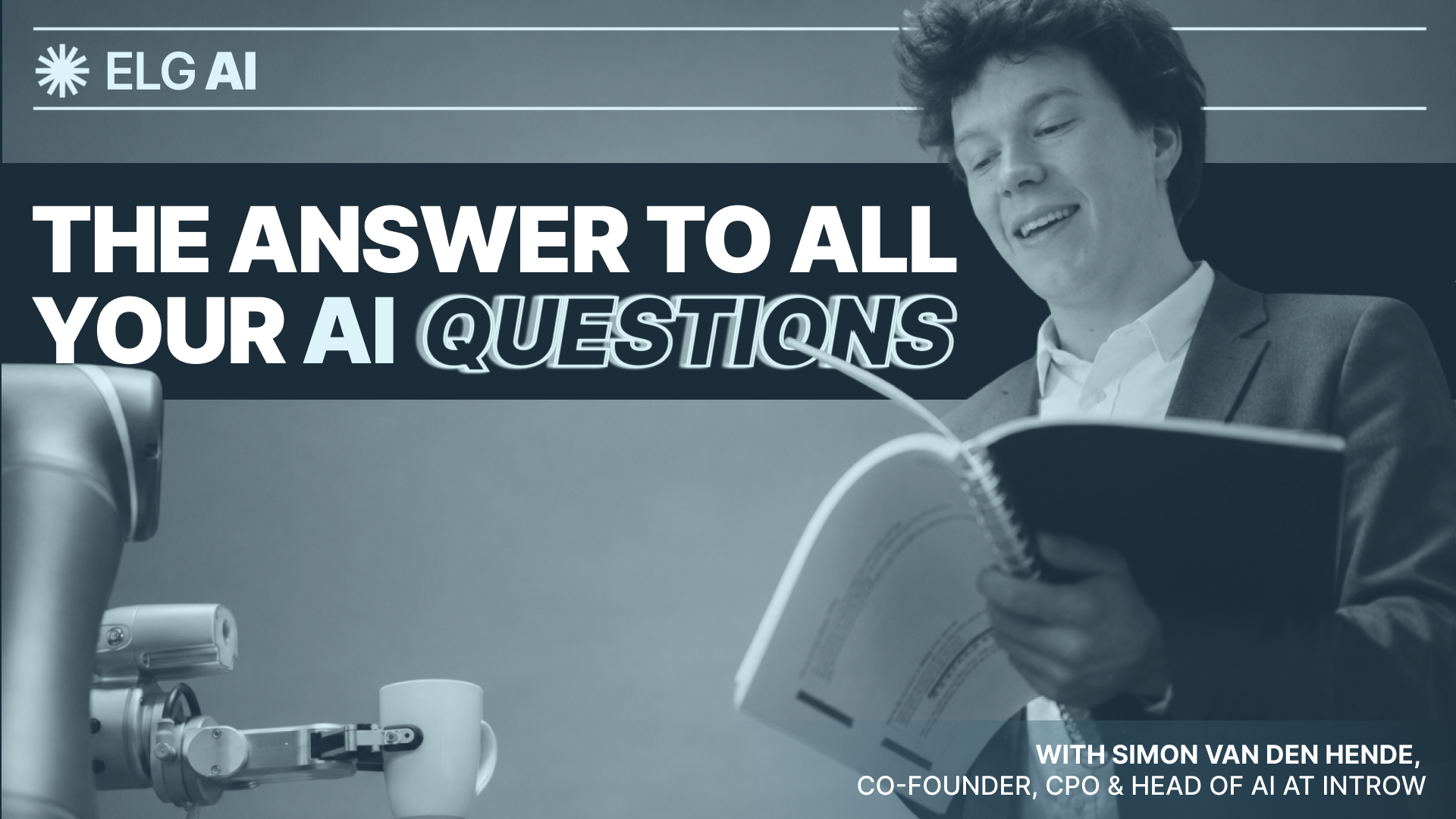
We sat down with Simon Van Den Hende, Head of AI and co-founder at Introw, to get specific answers. "We do AI ops on everything; all of our teams are AI-enabled," said Simon.
Introw is an agentic PRM (partner relationship management platform) and one of the partner MCP servers connected to Crossbeam, so partner teams can pull second-party signals straight into their existing tools instead of learning a new interface.
That connection made Simon ask the harder question underneath all the others: once your entire product vision is agentic, where do you actually draw the line between what AI should decide and what still needs a person? Here's what he told us.
What should AI actually take off a partner manager's plate?
Partnerships, in Simon's view, are still a human business built on relationship building and data calls. What isn't human, or shouldn't be, is the repetitive administrative layer sitting underneath it, and that's where a modern PRM earns most of its value. "Where we see the most advantage of AI is the busy work," said Simon. "We still feel like partnerships are very much relationship-building. It's very human."
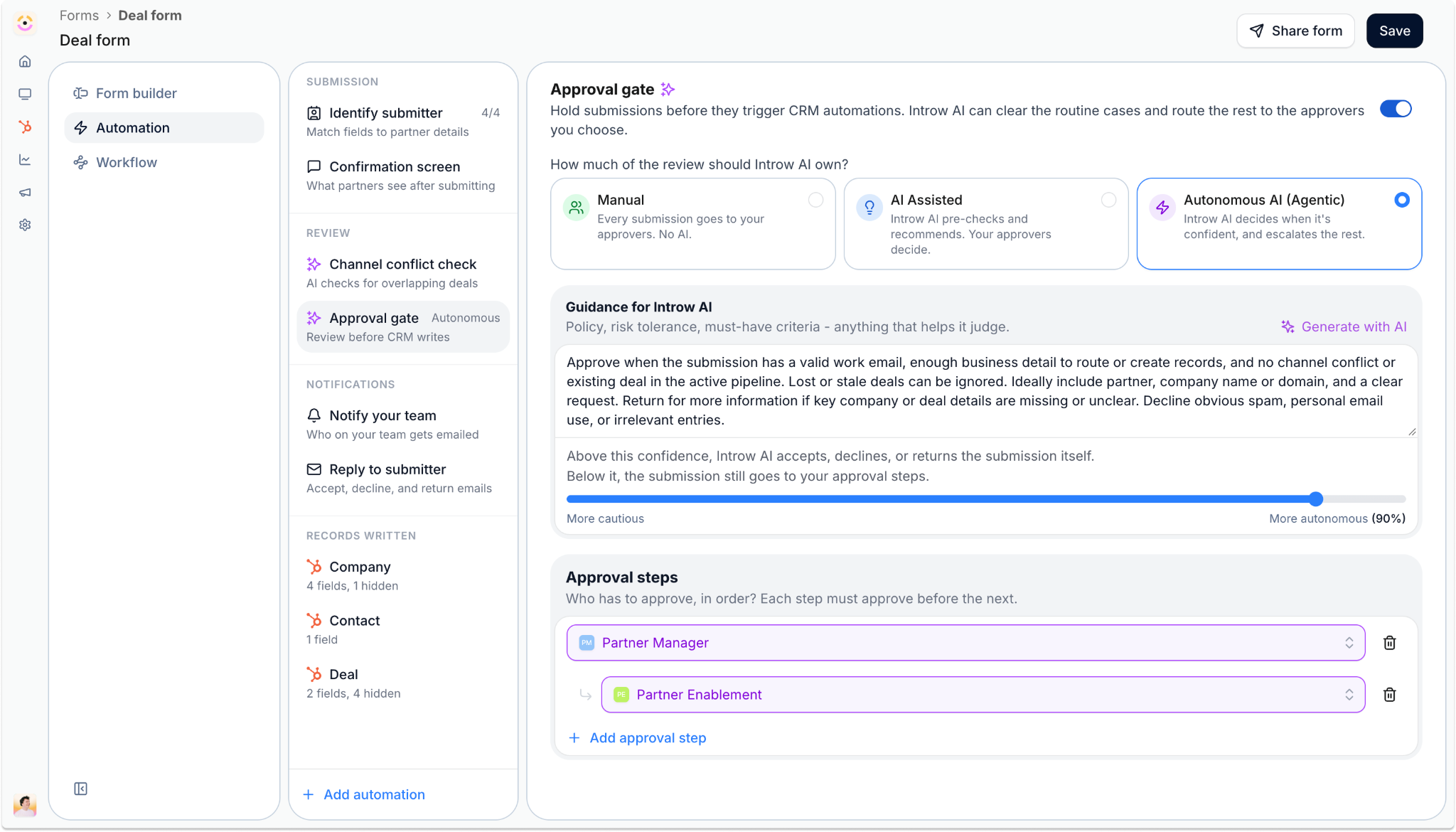
Deal registration is his go-to example. A rep gets a 20-field form to fill out for data that already lives in the CRM, and there's no reason to retype what the system already knows.
The data should simply pull in, fill out the form, and submit the lead on its own. On the approval side, the same logic applies: if a partner manager has a written policy for what a submission needs, an AI can check a form against that policy and flag what's missing without a human reading every line.
QBR prep works the same way. Running the QBR and building the relationship stays human; pulling the data together and drafting the follow-up doesn't need to be.
Can AI actually coach a rep in the moment, or is that still overpromising?
Where Introw has pushed hardest is what Simon calls practice coaching: using the full context of a deal, the calls, the emails, the playbook for what has worked before, to proactively surface the right sales enablement, rather than expecting a partner to log in and find it themselves. The goal is to pull playbooks, content, and collateral straight from the asset library and get it to a partner proactively, off-portal, through email, Slack, or an AI assistant like Claude.
If a rep just came out of a demo where a prospect raised four objections, the system can go through the company's knowledge base, find answers to those specific objections, cite where each answer came from, and hand it over.
Introw ships this as its Deal Coaching feature, which surfaces stage-specific guidance, objection responses, and ready-to-send templates inside a live deal, delivered wherever the partner already works, whether that's the portal, Slack, Teams, partner CRM, AI assistant, or email.
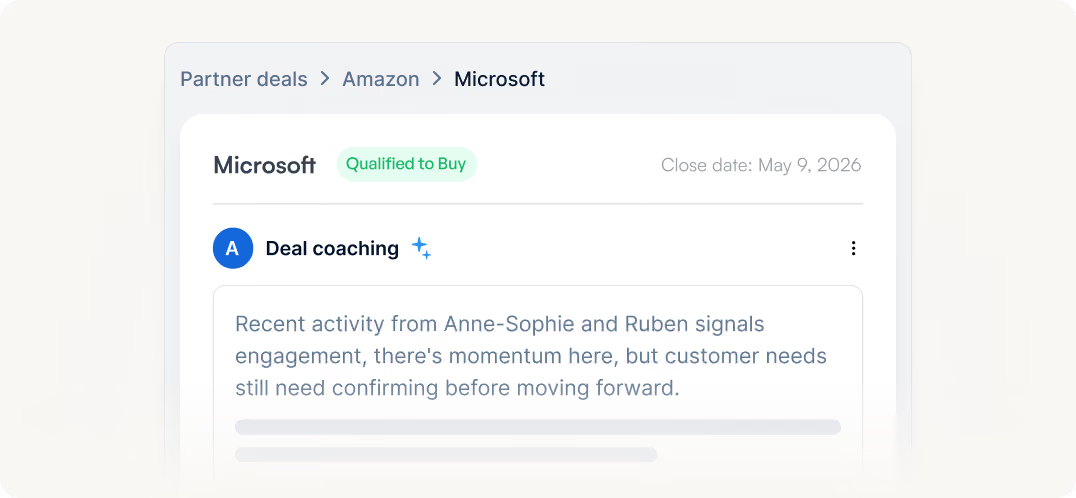
The distinction he draws is important. The system surfaces options and sources; the person still decides what to send and when. It's advice, not autonomy.
Does going AI-first mean partners need yet another portal to log into?
No, and that's the point of how Introw built it. Simon described Introw's Partner Connect as a shift away from making the portal the only door in.
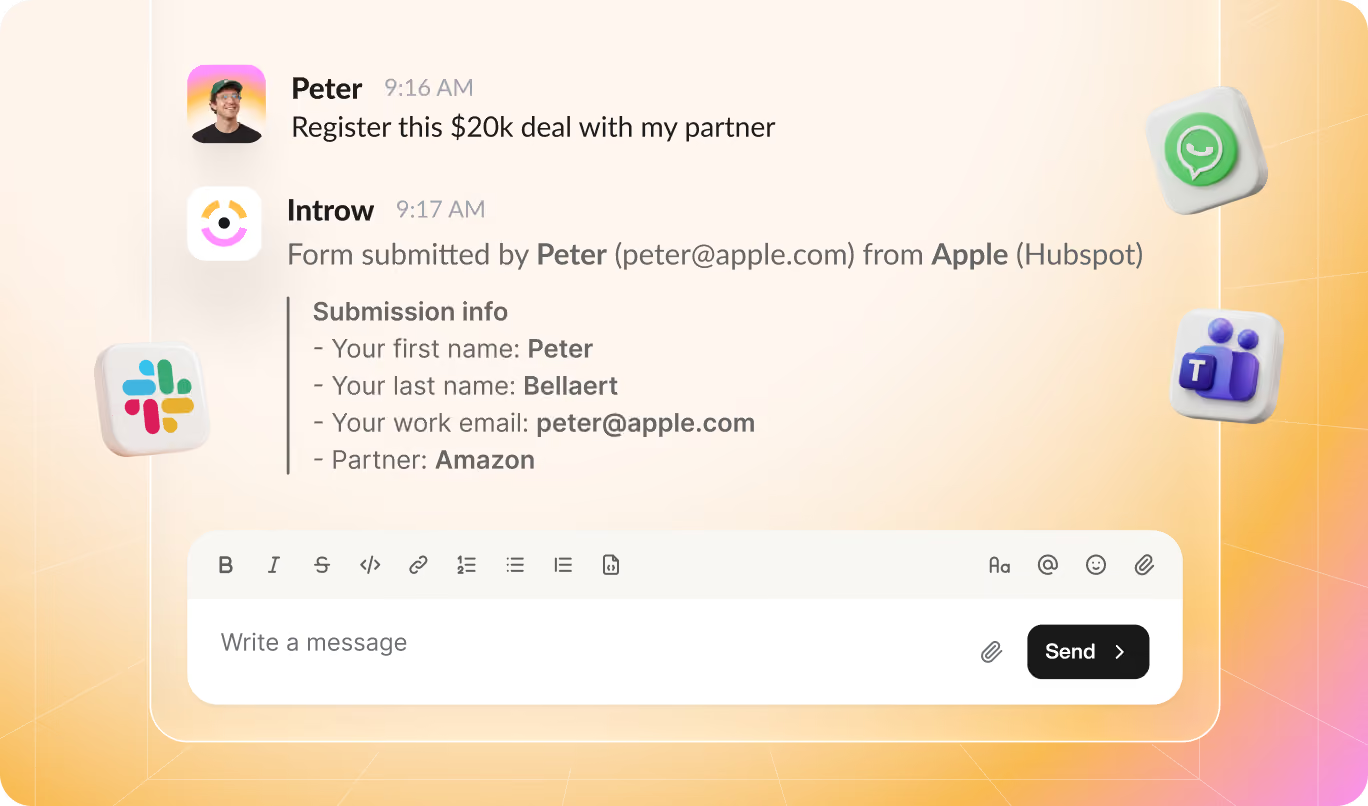
Historically, a portal meant one more password to remember and one more place to go looking for things. Introw's model instead pushes the same enablement content into Slack, a CRM, or wherever a partner already spends their day, and treats the portal as a governance layer that controls who can see what.
Simon calls this headless collaboration: the partner never has to open a dedicated interface to get an answer or take an action, because the AI meets them inside the tools they're already using. In practice, that means a partner can register a deal, ask a coaching question, or get an update on a shared pipeline directly from Slack or their own CRM, with Introw working quietly in the background rather than requiring a separate login or a trip to a portal. "I actually never update deals inside Introw anymore," said Simon. "I only use the MCP."
So does the portal disappear? In this new AI era, a partner portal doesn't disappear; it becomes the place that governs what each partner is allowed to see, while day-to-day work happens wherever the partner already is.
One example is a customer story Simon shared from an internal product update: after shipping a small feature for the shared pipeline view, the team pushed a heads-up through Slack, the same channel they use to notify customers who had requested it. One customer replied to say thanks, but that they hadn't opened the portal in months. They only use the MCP layer now.
Can AI actually fix partner attribution?
Attribution is a gray zone by nature, since an opportunity can typically only be credited to one source, but sales, marketing, partnerships, and outbound can all have a claim.
His example: a partner tells a prospect to check out a product, the prospect signs up on their own, and that referral never gets captured anywhere.
That's the gap Introw's deal and lead registration is built to close. Its MCP server lets a partner register that same referral in the moment, from an AI assistant, Slack, or their own CRM, so it runs through conflict checks and lands in the CRM already attributed instead of being argued over at close.
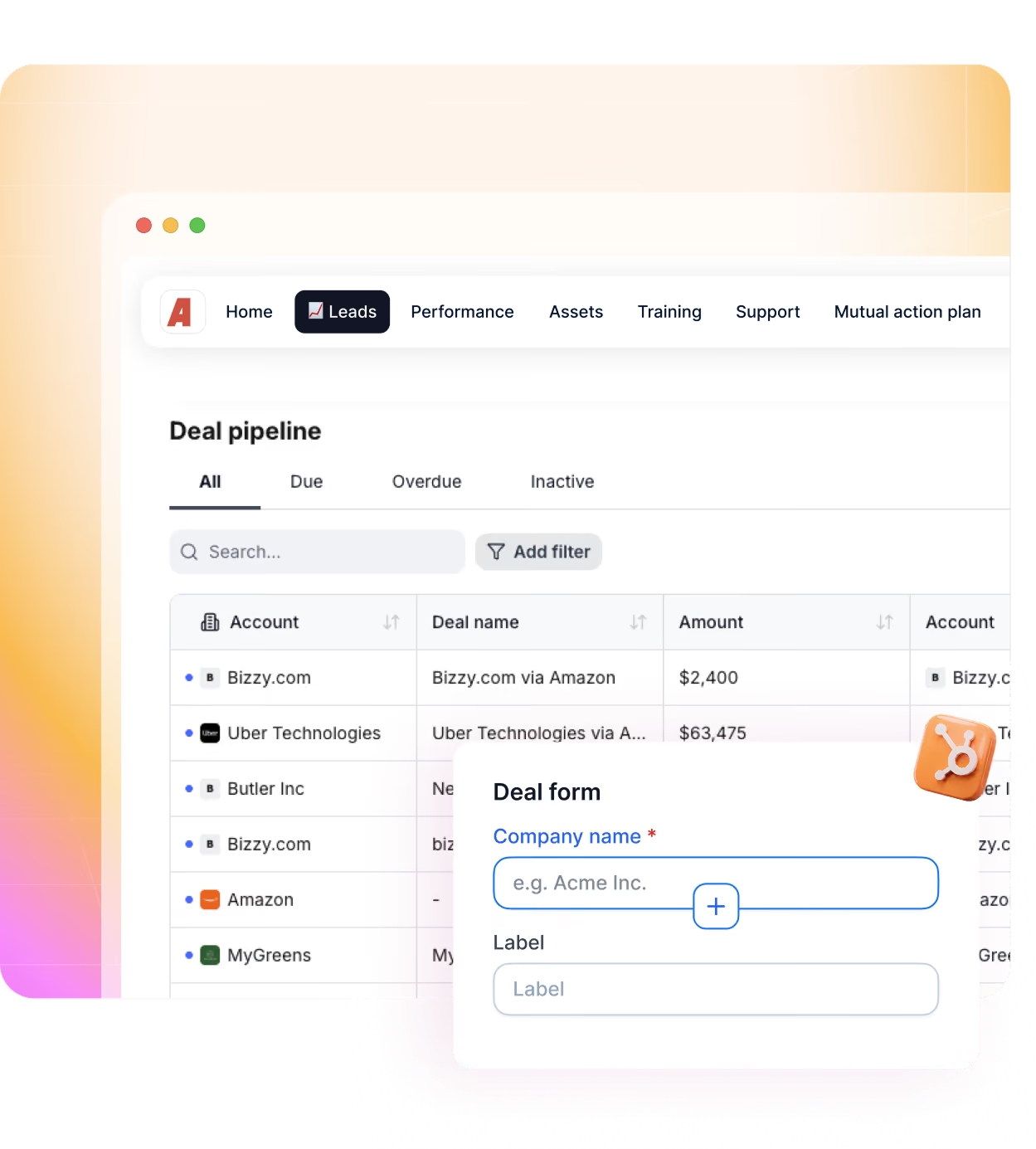
Beyond that, Simon draws a line between sourced attribution, easy to track today, and influenced attribution, where AI's real opportunity is scanning calls, emails, and Slack for partner mentions tied to a deal's outcome. What it still can't see is a WhatsApp message a partner sends straight to a prospect. "You're never gonna know, unless you hack into their systems, and I don't think that's the way to go," he said. That informal, off-platform touch stays a blind spot.
What changes for partnership teams over the next two years?
Asked to look two years out, Simon's most provocative prediction was that the browser itself becomes a secondary tool. "Today, what I use the browser for most is just to do the login and the authentication of whatever MCP or CLI I'm going to connect," said Simon. He's already seeing partnership and marketing teams start their day in an AI interface connected to their tools instead of opening a browser tab first, using the browser mainly for that same login step.
Content production is following the same path: teams building their own reports and course materials directly inside an AI tool, combining several data sources into one interface instead of stitching together CSVs by hand.
He was careful to add a caveat here. Building a report once is easy; maintaining it is the harder, less glamorous part, and that's still an open question worth watching rather than a solved problem.
Where should a team even start with AI, without falling down a rabbit hole?
For teams just beginning to adopt AI, Simon's advice was less about tools and more about habit. Skip the stream of "you should be using this instead of that" takes, he said, and start by tracking your own week: note anything manual that eats 30 minutes or more, then ask an AI tool what your options are for that specific task.
He also pointed to an old engineering habit, rubber duck debugging, as a useful mental model for working with an AI agent. Talking a problem through out loud, even to something that can't talk back, often surfaces the answer on its own. The point is giving yourself a low-stakes way to think a problem through before deciding what, if anything, to automate.
Want to see this in your own ecosystem?
Everything Simon described — deal coaching, headless collaboration, faster attribution — runs on the same premise: give AI real context, and it can do more than answer questions.
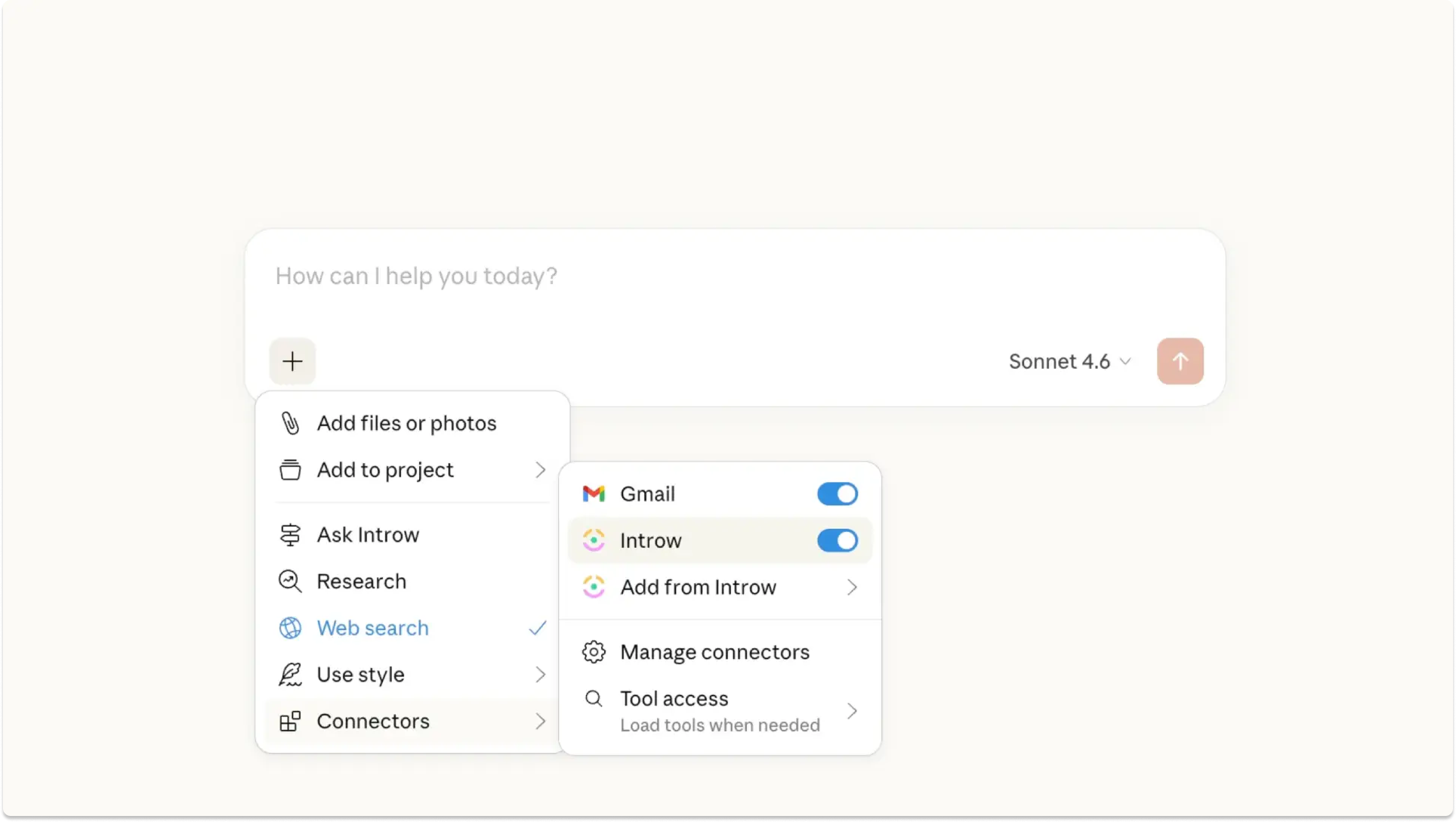
Curious what that looks like once it leaves the partner portal entirely? See how Crossbeam and Introw connect on the Crossbeam Marketplace, or talk to the team at Introw to learn how to run your partner program from the CRM, AI assistants, and the tools your partners already use.
FAQs
What does "AI in partnerships" actually look like day to day? Based on Simon's answers, it looks less like automation replacing people and more like AI clearing the administrative layer: filling in deal registration forms from CRM data, checking submissions against a written policy, and pulling together QBR prep, so the person running the relationship spends less time on data entry.
What is a PRM, and how is an agentic PRM different? A PRM (partner relationship management platform) is software for running deal registration, partner enablement, and reporting with your partner ecosystem. An agentic PRM like Introw adds an AI layer on top: it proactively surfaces coaching, objection answers, and next steps based on live deal context, rather than just storing records for people to look up manually.
What is headless collaboration in a partner program? Headless collaboration means a partner can register a deal, get coached, or pull a report from wherever they already work- Slack, their own CRM, or an AI assistant- without logging into a separate partner portal. The portal still exists as a governance layer that controls access, but it is not longer the only way in.
Does a partner portal become unnecessary once a program goes headless? No. Simon was clear that the portal still matters as the branded, governed layer that controls what each partner can see and access. What changes is that it stops being the only entry point; enablement content and deal coaching can also reach partners directly in the tools they already use.
Can AI make partner attribution fully accurate? Not entirely, based on Simon's answer. AI can scan calls, emails, and CRM activity to infer a partner's influence on a deal, closing a real visibility gap. What it still can't see is an informal, off-platform touch, like a partner messaging a prospect directly, so some attribution gaps are likely to persist.